

Unlocking the Power of Data Analytics: Why Raw Data Isn’t Enough
In the dynamic world of e-commerce, raw data is the foundation upon which insights are built. However, it’s crucial to understand that raw data, by itself, is like having a pile of uncut diamonds. It has potential, but it needs refinement to truly shine. This blog post explores why raw data isn’t enough and how transforming it into actionable insights can be a game-changer for e-commerce businesses.
1. Uncovering the Context
Raw data lacks context. It’s like pieces of a puzzle without the picture on the box. To extract meaningful insights & understand customer behaviour, you need to delve deeper, considering the ‘why’ behind the data. For e-commerce companies, understanding customer behavior requires not just numbers but the story behind them. Was there a marketing campaign that influenced these sales? Were there external factors affecting the data? Contextual analysis is the key to unlocking the true potential of data. Contextual information, such as demographics, psychographics, and historical data, is essential. Without this context, you’re left with a fragmented view that can lead to misguided decisions.
2. The Power of Data Integration
E-commerce companies deal with a multitude of data sources—sales transactions, website traffic, customer reviews, and more. To gain a comprehensive view, you must integrate these diverse data sets. Raw data in isolation misses the interconnections that can reveal hidden opportunities. By integrating data, you can uncover patterns, correlations, and trends that are otherwise invisible. Raw data might reveal surface-level trends, but it falls short in uncovering the hidden gems. To identify these patterns, you need advanced analytics techniques that go beyond basic data aggregation.
3. Quality Over Quantity
Having tons of raw data doesn’t necessarily translate to valuable insights. Quality over quantity should be the mantra. Cleaning and preprocessing data is a crucial step. Remove duplicates, handle missing values, and ensure data accuracy. This ensures that the analytics process is based on reliable information, reducing the risk of drawing incorrect conclusions from flawed data. A robust data cleansing and validation process is essential to ensure the accuracy and reliability of your analytics.
4. Data Visualization: A Transformative Tool
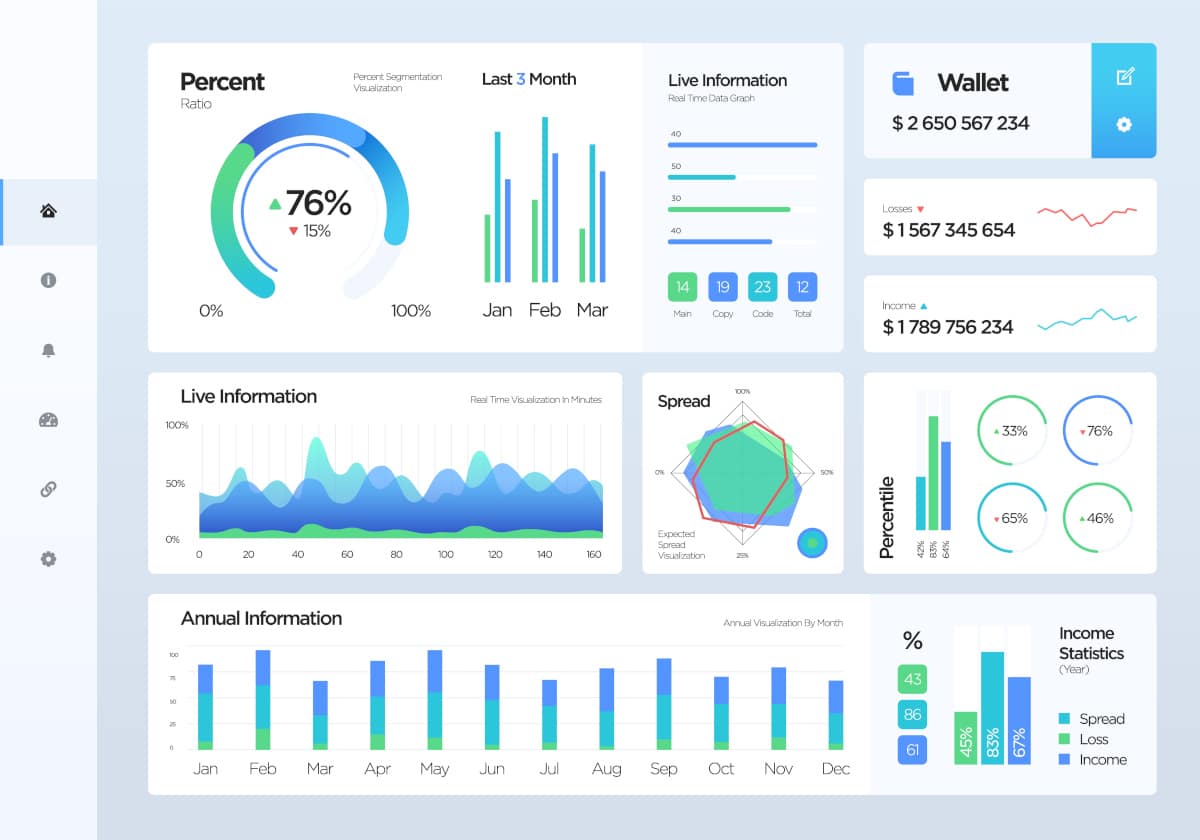
Numbers and spreadsheets can be overwhelming. Data visualization transforms raw data into a visual narrative that’s easier to grasp. Interactive charts, graphs, and dashboards not only make data more accessible but also allow for real-time monitoring. For e-commerce, visualizing sales trends, customer behavior, and inventory management can lead to more informed decision-making.
5. Predictive Analytics for Proactive Strategies
Raw data provides a snapshot of the past, but e-commerce success relies on anticipating the future. Predictive analytics uses historical data to forecast future trends, enabling businesses to proactively adapt. It can help in demand forecasting, inventory management, and even customer churn prediction, giving e-commerce companies a competitive edge.
In the fiercely competitive e-commerce landscape, predicting future trends and customer preferences is paramount. Raw data alone can’t provide the predictive power needed to stay ahead of the curve. Advanced predictive analytics models, powered by machine learning and AI, are the tools of the future.
6. The Human Element in Data Analytics
While technology plays a significant role, the human touch is irreplaceable in data analytics. Raw data may show you patterns, but it’s the data analysts who interpret and extract meaningful insights. They bring domain expertise, creativity, and critical thinking to the table, making it a collaborative effort to transform raw data into actionable strategies.
7. Data Security and Compliance
Dealing with e-commerce data comes with the responsibility of ensuring data security and compliance with regulations like GDPR and CCPA. Raw data handling can be risky, exposing businesses to legal issues and reputational damage. Robust data governance practices are essential to protect both customer information and the company’s reputation.
8. The Competitive Advantage of Data Analytics
In the competitive e-commerce landscape, those who harness the full potential of data analytics gain a significant advantage. It’s not just about reacting to market changes; it’s about staying ahead of the curve. By understanding why raw data isn’t enough and investing in analytics capabilities, e-commerce companies position themselves for long-term success. Advanced analytics empowers you to tailor your offerings, marketing, and recommendations to individual preferences.
In the race to capture market share, a data-driven strategy can be your greatest asset. Relying solely on raw data puts you on a level playing field. To gain a competitive advantage, you must harness the full potential of analytics to uncover insights your competitors overlook.
In conclusion, raw data is the starting point, but it’s the journey of transformation that leads to profitability. For e-commerce companies, the path to success involves contextual analysis, data integration, quality assurance, visualization, predictive analytics, human expertise, and a commitment to data security. It’s not just about having data; it’s about knowing how to extract its true value.
Effective Tools for E-commerce Data Visualization
In the fast-paced, dynamic world of e-commerce, making data-driven decisions is not just an option—it’s a necessity. One crucial element that aids in data-driven decision-making is data visualization. By turning complex data into clear, actionable insights, businesses can identify trends, detect anomalies, and derive actionable insights. In this blog section, we’ll discuss some indispensable tools that can supercharge your e-commerce data visualization efforts.
1. Tableau: The Powerhouse of Visualization
Tableau is a prominent player in the data visualization realm. With its intuitive interface, this tool empowers e-commerce businesses to create interactive dashboards and reports. Whether you want to analyze sales trends, track customer behavior, or monitor inventory levels, Tableau offers flexibility and customization to meet your needs.
When it comes to high-end, comprehensive data visualization, few tools rival the capabilities of Tableau. Lauded for its intuitive interface, Tableau allows even non-technical users to create intricate, insightful dashboards. With support for real-time data feeds, e-commerce businesses can monitor KPIs such as conversion rates, customer retention, and cart abandonment metrics, instantly making informed decisions.
2. Power BI: Microsoft’s Jewel for Business Intelligence
Microsoft’s Power BI is another indispensable tool for e-commerce data visualization. Integrated seamlessly with Microsoft 365, it offers robust features for data analysis and reporting. Power BI’s drag-and-drop interface simplifies the process of generating visualizations, making it accessible to users of varying technical backgrounds.
A strong competitor to Tableau, Power BI offers deep integration with other Microsoft Office applications, making it a seamless choice for organizations already invested in the Microsoft ecosystem. Its drag-and-drop functionality and template-driven design simplify the process of dashboard creation. For e-commerce companies, Power BI’s robust data analytics features can drill down into sales metrics, customer behavior, and inventory levels, fostering better business strategies.
3. Google Data Studio: A Cost-Effective Solution
For small to medium-sized e-commerce companies operating on a tighter budget, Google Data Studio offers a cost-effective yet powerful alternative. It excels in pulling data from various Google services like Google Analytics, Google Ads, and Google Sheets, making it exceptionally convenient for businesses that already utilize Google’s suite of products. While it may lack some of the advanced analytics capabilities of Tableau or Power BI, it certainly covers all the bases for straightforward, effective visual storytelling. This cloud-based platform enables real-time data sharing and collaboration. It allows e-commerce companies to consolidate and visualize data effortlessly.
4. D3.js – Customization at Its Best
If your e-commerce business craves absolute control over data visualization, D3.js (Data-Driven Documents) might be your weapon of choice. This JavaScript library provides a high level of customization, allowing you to create unique, tailored visualizations. While it requires coding expertise, the results can be stunningly original.
5. Python’s Matplotlib – A Programmer’s Palette
For data scientists and programmers, Matplotlib is a trusted companion. Python’s Matplotlib library offers extensive flexibility in crafting visualizations. From simple line charts to complex heatmaps, it’s a versatile choice for businesses that have in-house coding capabilities.
6. Looker – Beyond the Basics
Looker is a data exploration and analytics tool designed to provide deeper insights into e-commerce data. It excels in data modeling and allows businesses to build a centralized data repository. With Looker, you can create custom dashboards that reflect your e-commerce company’s unique needs.
Choosing the Right Tool for Your E-commerce Needs
In summary, data visualization is not a mere add-on but a necessity for e-commerce companies striving to be data-driven. Tableau offers a top-tier, all-encompassing solution with real-time capabilities. Power BI integrates seamlessly with Microsoft products and offers deep data analytics. Google Data Studio is the go-to for budget-conscious businesses that require easy integration with Google services. D3.js and Matplotlib provide customization, the goal remains the same: turning data into actionable insights that drive profitability. Remember, the right tool is the one that aligns with your business’s unique requirements. Choose wisely, and let data visualization lead your e-commerce venture to new heights.
The Role of AI and Machine Learning in Data Analytics
In the fast-paced world of e-commerce, staying ahead of the competition is a constant challenge. That’s where AI and machine learning come into play. These cutting-edge technologies are revolutionizing data analytics, helping e-commerce businesses make more informed decisions, enhance customer experiences, and ultimately boost profitability.
AI and ML empower data analytics by automating complex tasks, uncovering hidden patterns, and predicting future trends with remarkable precision. The result? Businesses can unlock the true potential of their data, gaining a competitive edge in the e-commerce arena.
1. Enhancing Customer Personalization
In the world of e-commerce, understanding your customers on a personal level is paramount. AI and ML have revolutionized the way businesses approach customer personalization. Through advanced algorithms and predictive analytics, e-commerce companies can now offer tailored product recommendations, personalized marketing campaigns, and even dynamic pricing strategies.
Imagine a scenario where an online retailer can recommend products to a customer based not only on their past purchases but also on their browsing behavior, preferences, and even current trends. This level of personalization not only delights customers but also leads to increased conversion rates and higher customer retention. AI-driven data analytics ensures that customers see the right products at the right time, increasing the likelihood of conversion and repeat business.
2. Predictive Analytics for Inventory Management
Efficient inventory management is a constant challenge for e-commerce businesses. Overstocking can tie up capital, while understocking can result in lost sales. AI-driven predictive analytics are a game-changer by forecasting demand patterns and optimising inventory levels.
By analyzing historical sales data, seasonality, and external factors like holidays or promotions, AI algorithms can predict which products are likely to sell well and when. This not only minimizes overstocking and understocking issues but also helps businesses reduce costs and increase profits but also ensures that products are available when customers want them, preventing lost sales due to stockouts.
3. Fraud Detection and Prevention
E-commerce companies face constant threats from fraudulent activities, including payment fraud and account takeovers. AI and ML are formidable allies in the fight against such threats. These technologies can analyze transaction data in real-time, flagging suspicious activities and patterns that might go unnoticed by traditional rule-based systems.
By proactively identifying and blocking fraudulent transactions, e-commerce businesses can safeguard their revenue and reputation. Moreover, the ability to adapt and learn from new fraud patterns makes AI-driven fraud prevention a crucial component of any data analytics strategy.
4. Streamlining Supply Chain Operations
In the highly competitive world of e-commerce, efficient supply chain management is vital. AI and ML have a pivotal role to play in optimizing supply chain operations. These technologies can analyze vast amounts of data from various sources, such as suppliers, logistics providers, and internal processes.
By identifying bottlenecks, optimizing routes, and predicting delivery times more accurately, e-commerce companies can reduce operational costs and improve customer satisfaction. In a world where fast and reliable shipping is a customer expectation, AI-driven supply chain analytics can be a game-changer.
In conclusion, AI and machine learning are integral to the success of data analytics in the e-commerce sector. These technologies enable businesses to provide personalized experiences, optimize inventory, and safeguard against fraud. Embracing AI-driven data analytics is not just a competitive advantage; it’s a necessity for e-commerce companies striving for profitability in today’s dynamic marketplace.
Crafting Data-Driven Marketing Strategies
In today’s competitive e-commerce landscape, harnessing the power of data-driven marketing strategies is imperative. Data holds the key to understanding your customers’ behaviors and preferences. As data becomes increasingly critical, businesses must adopt smarter, data-driven marketing strategies for unparalleled success. Here’s how to do it:
1. Understanding Customer Behaviour
In the realm of e-commerce, knowing your customers inside and out is paramount. Data analytics allows you to dissect customer behavior, from their browsing patterns to purchase history. By analyzing this data, you can pinpoint what drives conversions and tailor your marketing strategies accordingly. This personalized approach yields higher engagement and increased sales. In a world where customers are inundated with options, personalization can significantly enhance user experience, thereby promoting brand loyalty and repeat purchases.
2. Segmentation for Precision
Segmentation is the cornerstone of effective data-driven marketing. By dividing your customer base into distinct groups based on shared characteristics, preferences, or behaviours, you can create highly targeted campaigns. For instance, you can send tailored product recommendations to customers who have previously shown interest in similar items. This approach not only boosts conversion rates but also enhances customer satisfaction. Segmentation can identify high-value customers, frequent buyers, or even at-risk customers, enabling targeted campaigns that speak directly to their unique needs and preferences.
3. Real-time Decision Making with Dashboards
The e-commerce landscape is fast-paced, and market conditions can change in an instant. Data analytics empowers your business to adapt swiftly by providing real-time insights. Monitoring key performance indicators (KPIs) in real-time allows you to identify trends, seize opportunities, and rectify issues promptly. This agility ensures that your marketing strategies remain effective in the face of ever-changing market dynamics. Custom dashboards powered by data analytics offer a live snapshot of critical business metrics. This enables quick responses to market fluctuations, customer behavior, and inventory levels. Being able to make informed decisions in real time is invaluable, not just for marketing but for the entire operational spectrum of your e-commerce business.
4. A/B Testing for Optimization
To maximize the impact of your marketing efforts, it’s crucial to adopt a data-driven approach to testing and optimization. A/B testing involves creating two variations of a marketing campaign and measuring their performance to determine which one resonates better with your audience. This iterative process helps refine your strategies continuously, ensuring that you’re always delivering the most effective message.
5. Predictive Analytics for Future Success
The power of data analytics extends beyond the present. Predictive analytics leverages historical data to forecast future trends and customer behavior. Armed with these insights, you can proactively adjust your marketing strategies to stay ahead of the curve. For example, you can anticipate seasonal trends and plan promotions accordingly, maximizing your revenue potential. This allows businesses to optimize stock levels, create dynamic pricing models, and even predict which products are likely to become bestsellers. A proactive approach to marketing helps you stay ahead of consumer expectations and market trends, thus enhancing your bottom line.
6. Data Security and Compliance
In the era of data-driven marketing, it’s imperative to prioritize data security and compliance with regulations such as GDPR and CCPA. Mishandling customer data not only damages your reputation but can also result in severe legal consequences. Implement robust data protection measures and ensure your data analytics practices align with privacy laws.
7. ROI Measurement and Accountability
To make data-driven marketing truly profitable, it’s essential to measure the return on investment (ROI) of your campaigns. This involves tracking the revenue generated compared to the marketing costs incurred. By meticulously calculating ROI for each campaign, you can allocate your budget more effectively, channeling resources into strategies that deliver the highest returns.
In conclusion, Adopting a data-driven approach to marketing doesn’t just provide a competitive edge—it’s becoming an industry standard. Through customer segmentation, predictive analytics, real-time dashboards, and personalization, data analytics empowers e-commerce businesses to make well-informed decisions. By implementing these strategies, you’re not merely surviving the e-commerce competition; you’re thriving in it.